



 January 17, 2025



Table of Contents

- The importance of a digital roadmap for SMB success
- Step 1 - Lay the groundwork for your digital roadmap
- Step 2 - Identify and optimize key business areas
- Step 3 - Strengthen cybersecurity and data protection
- Step 4 - Measure progress and continuously optimize
- Leveraging emerging technologies: AI, IoT, and Blockchain
- Real-World Example: Time and Cost Savings Through Smart Tech Adoption
For small and medium-sized businesses (SMBs), time and money are often the most valuable resources, and the easiest to lose without the right strategies. Today, leveraging technology isn’t just about keeping up; it’s about working smarter to streamline operations, reduce costs, and boost profitability. By identifying inefficiencies and addressing them with targeted, practical solutions, SMBs can achieve significant progress without overwhelming their resources.
Unlike the daunting prospect of a full-scale transformation, small, deliberate steps can make a meaningful impact. Where are inefficiencies holding your business back? Which pain points drain your resources? Strategic tech enhancements, implemented incrementally, can be the key to unlocking growth while preserving stability.
As legendary coach John Wooden wisely said, “Little things make big things happen.” For SMBs, small, targeted changes can create a ripple effect of progress, improving efficiency, enhancing customer satisfaction, and paving the way for sustained growth. This guide outlines a roadmap for smarter tech strategies tailored to your unique needs—one small step, one focused strategy, and one smart decision at a time.
The Importance of a Digital Roadmap for SMB Success
Today’s business environment is dynamic, and having a clear and actionable roadmap provides the direction and focus needed to navigate it effectively. The rapid pace of technological innovation, evolving customer expectations, and shifting market dynamics demand more than one-time solutions, quick fixes or never ending transformations. To remain relevant and competitive, SMBs must adapt continuously and focus on improvement.
As Charles Darwin famously observed, “It is not the strongest of the species that survive, nor the most intelligent, but the one most responsive to change.” Businesses are no exception. For SMBs, embracing innovation and integrating digital tools is no longer optional, it is essential for survival and growth in today’s fast-paced landscape.
Here are the key benefits of a digital roadmap for SMBs:
Strategic Focus for Targeted Improvements
A digital roadmap helps SMBs prioritize initiatives that deliver the greatest impact. Instead of attempting a complete strenuous digital transformation, businesses can start by focusing on solving specific challenges, such as streamlining operations, automating repetitive tasks, or enhancing customer experiences. This ensures every technology investment is purposeful and aligned with business goals.
Enhanced Competitiveness
Staying relevant requires adopting modern tools that make your business agile and efficient. A tech roadmap ensures you’re not just keeping pace with competitors but staying ahead.
Cost-Effective Growth
A roadmap minimizes waste by focusing on targeted optimizations. It ensures resources are allocated to solutions that deliver measurable results, with flexible, scalable technologies enabling growth without heavy upfront costs.
Improved Customer Experiences
Today’s customers expect seamless, personalized interactions. A tech roadmap helps SMBs adopt tools that enhance websites, apps, and customer support systems, fostering loyalty and satisfaction
Streamlined Operations and Efficiency
Automating manual tasks and improving workflows save time and resources, allowing teams to focus on strategic priorities. A digital roadmap identifies these opportunities and implements solutions step by step.
Smarter Decision-Making with Data-Driven Insights
Digital tools provide powerful analytics that enable SMBs to make informed decisions. A roadmap ensures these insights are leveraged to address pain points, optimize performance, and uncover new growth opportunities.
Alignment Across Teams and Goals
A digital roadmap ensures all departments, HR, supply chain, marketing, finance, and more, are aligned in their efforts. This prevents fragmented technology adoption and fosters collaboration across the organization, leading to cohesive strategies that support overall business objectives.
Take the Next Step in Your Digital Transformation Journey
Use our Essential Digital Strategy Checklist to create a focused roadmap for your SMB. Whether you’re optimizing workflows or integrating new tools, this guide will help you get started and ensure success.
Step 1 – Lay the Groundwork for Your Digital Roadmap
Before delving into the transformative potential of technology, it’s crucial to establish a solid foundation. This step sets the stage for your digital journey, ensuring all subsequent efforts are built on a stable and strategic base. By thoroughly analyzing your current state, defining objectives, and aligning resources, you can create a roadmap tailored to your business’s unique needs and challenges.
Here are the main tasks to focus on:
1
Market and Competitive Analysis
Start by understanding the external landscape. Research your competitors and identify opportunities and gaps.
Key Actions:
- Research industry trends and digital innovations.
- Identify what competitors are doing well and where gaps exist.
- Understand evolving customer expectations and behaviors.
Recommended Tools:
- Gartner or Forrester: Market research and technology trends.
- SEMrush or Ahrefs: Competitive analysis in digital marketing and visibility.
- Google Trends: Insights into evolving customer behaviors.
2
Internal Analysis
Evaluate your internal processes, tools, and resources to identify inefficiencies and areas for improvement.
Key Actions:
- Assess workflows, tools, and processes for bottlenecks or inefficiencies.
- Identify opportunities for automation or optimization.
- Gauge employee readiness for change and address skill gaps.
Recommended Tools:
- Lucidchart or Miro: Visual mapping of workflows and bottlenecks.
- Microsoft Power BI or Tableau: Data analysis for inefficiencies.
- CultureAmp or Qualtrics: Employee feedback and readiness surveys.
3
Understand User Needs
A customer-centric approach is vital for your digital roadmap. Analyze customer pain points and map their journeys to pinpoint areas where technology can improve satisfaction.
Key Actions:
- Conduct surveys or interviews to understand customer challenges.
- Map customer journeys to identify friction points.
- Develop strategies to enhance user experiences through digital solutions.
Recommended Tools:
- Typeform or SurveyMonkey: For surveys.
- Hotjar or Crazy Egg: User behavior analysis on digital platforms.
- Smaply or UXPressia: Customer journey mapping tools.
4
Resource Allocation
Ensure you have the right resources to support your roadmap. Inventory your existing assets, identify gaps, and prioritize investments that align with your goals.
Key Actions:
- Audit current technology, budget, and expertise.
- Identify gaps requiring investment in tools, training, or hiring.
- Choose scalable solutions that can grow with your business.
Recommended Tools:
- Smartsheet or Trello: Resource tracking and project management.
- LinkedIn Learning or Udemy: For team skill development.
- GanttPro or Monday.com: For resource planning and allocation.
5
Set SMART Goals and KPIs
Define clear objectives and metrics to measure success. Focus on achievable short-term wins while setting the stage for long-term growth.
Key Actions:
- Create Specific, Measurable, Achievable, Relevant, and Time-bound (SMART) goals.
- Prioritize both immediate improvements (e.g., automating manual tasks) and strategic objectives (e.g., enhancing customer retention).
- Align Key Performance Indicators (KPIs) with your SMART goals for actionable tracking.
Recommended Tools:
- OKR Software (e.g., Weekdone or Profit.co): Objective setting and tracking.
- Klipfolio or Databox: Real-time KPI dashboards.
- Google Analytics: For website and digital KPI tracking.
- HubSpot or Salesforce: For customer-centric metrics like satisfaction and retention.
By thoroughly completing this step, you’ll have a clear understanding of your business’s starting point, a vision for where you want to go, and a framework for making informed, strategic decisions. This groundwork ensures your digital roadmap is not only achievable but also aligned with your business’s priorities and goals.
Step 2 – Identify and Optimize Key Business Areas
With the groundwork for your digital strategy in place, the next step is to focus on key business areas where technology can create the most significant impact. Every organization is unique, and while there are common starting points, your approach should be tailored to address your specific challenges and goals.
By strategically targeting high-value domains, SMBs can not only resolve pain points but also unlock opportunities for growth, efficiency, and innovation. Whether you rely on ready-to-use tools or require a mix-and-match or custom-built solutions, the right optimizations will ensure your digital roadmap aligns perfectly with your needs.
Below, we explore primary business functions you can prioritize, complete with practical examples and tools to guide your journey toward impactful digital transformation.
Marketing & Sales
A strong marketing and sales strategy is vital for driving visibility, attracting customers, and building trust. Technology enables businesses to target audiences efficiently, automate routine tasks, and enhance customer engagement.
1
Set SMART Goals and KPIs
Technology enables businesses to collect and analyze customer data to create highly targeted marketing campaigns.
Examples:
- CRM Systems: Tools like Salesforce or HubSpot store customer data and track interactions, helping businesses tailor their marketing and sales approaches.
- AI and Predictive Analytics: Tools like Google Analytics or Clearbit predict customer behavior and suggest the best times and methods to engage.
2
Automation of Routine Tasks
Automating repetitive tasks frees up time for marketing and sales teams to focus on strategic efforts.
Examples:
- Email Marketing: Platforms like Mailchimp or Klaviyo automate email campaigns based on customer behavior, such as abandoned carts or post-purchase follow-ups.
- Chatbots: Tools like Drift or Intercom provide instant customer support and qualify leads 24/7.
3
Enhanced Lead Generation
Technology streamlines the process of identifying, attracting, and engaging potential customers, making lead generation more efficient and effective.
Examples:
- Social Media Advertising: Platforms like Meta Ads (Facebook/Instagram) and LinkedIn Ads enable precise targeting using advanced algorithms, allowing businesses to reach ideal customers based on demographics, interests, behavior, and even job titles or industries.
- Landing Page Builders: Tools like Unbounce or Leadpages enable quick creation of high-converting landing pages with user-friendly drag-and-drop features.
- Lead Magnets: Tools like OptinMonster capture leads via pop-ups and forms offering incentives like discounts or exclusive content.
- AI-Driven Tools: Platforms like ZoomInfo automate prospecting, providing accurate lead data to speed up customer outreach.
4
Personalized Marketing
Personalization boosts engagement and conversion rates by tailoring messages to individual customer preferences.
Examples:
- AI-Powered Recommendations: E-commerce tools and platforms such as Shopify or Amazon suggest products based on browsing and purchase history.
- Dynamic Content: Email platforms like ActiveCampaign personalize email content in real-time based on customer data.
5
Real-Time Engagement
Technology enables businesses to engage with customers in real-time, addressing their needs instantly and increasing conversion opportunities.
Examples:
- Live Chat Tools: Platforms like Zendesk Chat or LivePerson enable businesses to interact with website visitors in real time, addressing questions and guiding potential customers toward a purchase.
- Social Media Monitoring: Tools like Hootsuite or Sprout Social monitor brand mentions and customer inquiries on social platforms, allowing immediate responses to feedback or issues.
- Virtual Event Platforms: Tools like Zoom or Hopin facilitate webinars, product demos, and live Q&A sessions to engage prospects directly.
6
Data-Driven Decision Making
By analyzing data from marketing and sales activities, SMBs can make informed decisions to refine strategies and improve ROI.
Examples:
- Customer Journey Analytics: Tools like Hotjar or Crazy Egg track user behavior on websites, offering insights into customer preferences and pain points.
- Sales Dashboards: Software like Pipedrive or Tableau consolidates sales data into visual reports, highlighting trends and areas for improvement.
7
Omnichannel Marketing
Ensures a seamless customer experience across all touchpoints including online, offline, and mobile, boosting customer satisfaction and brand loyalty.
Examples:
- Unified Communication Platforms: Solutions like Zoho or Freshdesk ensure consistent communication across email, social media, and phone interactions.
- Cross-Channel Campaigns: Tools like Marketo or AdRoll help manage campaigns across multiple platforms, maintaining consistent messaging and branding.
8
Improved Sales Funnel Management
Technology streamlines the sales funnel by automating lead nurturing and identifying bottlenecks in the process.
Examples:
- Lead Scoring: CRM tools like HubSpot or Salesforce automatically score leads based on engagement, helping prioritize high-value prospects.
- Pipeline Management: Software like Monday.com or Trello visually organize sales pipelines, ensuring all leads are tracked and followed up on effectively.
9
Social Proof and Customer Advocacy
Leveraging technology to showcase reviews, testimonials, and user-generated content builds trust and helps drive conversions.
Examples:
- Review Platforms: Integration with tools like Trustpilot or Clutch highlights customer reviews on websites and marketing materials.
- Referral Programs: Platforms like ReferralCandy incentivize existing customers to advocate for the brand.
Workflow & Operations
Efficient workflows and streamlined operations form the backbone of SMB success. Technology can revolutionize everyday processes, reducing costs and improving productivity. Key opportunities:
1
Task Automation
Automating repetitive tasks saves time and minimizes human error, allowing teams to focus on higher-value activities.
Examples:
- Workflow Automation Tools: Platforms like Zapier or Microsoft Power Automate connect apps and automate tasks such as updating databases, sending notifications, or generating reports.
- Robotic Process Automation (RPA): Tools like UiPath automate high-volume tasks like data extraction, form submissions, or invoice processing.
2
Project Management
Technology simplifies planning, assigning tasks, and tracking project progress, ensuring teams meet deadlines and stay within budget.
Examples:
- Project Management Software: Tools like Asana, Microsoft 365 or Monday.com enable team collaboration, tracking deliverables, and visualizing progress with dashboards.
- Gantt Chart Tools: Applications like Smartsheet provide visual timelines to manage project milestones effectively.
3
Time and Productivity Tracking
Tracking work hours and productivity helps allocate resources effectively and improve team performance.
Examples:
- Time Tracking Tools: Platforms like Toggl or Clockify allow teams to log work hours and identify bottlenecks in workflows.
- Employee Monitoring Software: Tools like Time Doctor analyze activity patterns to enhance productivity and accountability.
4
Team Collaboration
Collaboration tools improve communication, knowledge sharing, and decision-making among teams, regardless of location.
Examples:
- Communication Platforms: Solutions like Slack or Microsoft Teams provide instant messaging, video calls, and document sharing.
- Virtual Whiteboards: Tools like Miro facilitate brainstorming and collaboration on visual projects.
5
Energy Efficiency and Sustainability
Smart sensors and automated energy systems enable sustainable practices by reducing energy consumption and minimizing waste.
Examples:
- Energy Solutions: Tools like Schneider Electric EcoStruxure, Honeywell Forge, and IBM Environmental Intelligence Suite support energy efficiency initiatives.
Finance and Accounting
Managing finances effectively is critical for SMB growth and sustainability. Technology can simplify financial processes, enhance accuracy, and provide insights into your business’s financial health.
1
Accounting and Bookkeeping
Automating financial records reduces errors and ensures compliance with tax and regulatory requirements.
Examples:
- Accounting Software: Tools like QuickBooks or Xero automate invoicing, payroll, and expense tracking, offering real-time financial insights.
- Expense Management: Solutions like Expensify simplify tracking and reimbursement of employee expenses.
2
Budgeting and Forecasting
Technology enables SMBs to create accurate budgets and forecast cash flow to plan effectively for the future.
Examples:
- Financial Planning Tools: Platforms like Planful or Jirav help SMBs model different financial scenarios and create detailed forecasts.
- Cash Flow Management Software: Tools like Pulse provide visibility into cash inflows and outflows, ensuring liquidity.
3
Payment Processing
Simplifying payment systems improves customer convenience and ensures faster revenue collection.
Examples:
- Online Payment Gateways: Solutions like Stripe or Square enable secure and seamless payments across multiple channels.
- Subscription Billing Platforms: Tools like Chargebee or Recurly manage recurring payments and customer subscriptions.
4
Financial Reporting and Analytics
Data-driven insights enable SMBs to track performance, identify trends, and make informed financial decisions.
Examples:
- Reporting Tools: Platforms like Fathom or Zoho Analytics create detailed financial reports, highlighting key performance indicators (KPIs).
- AI-Powered Insights: Tools like Gideon.ai analyze historical data to predict future financial outcomes and optimize budgeting.
5
Fraud Detection and Security
Protect sensitive financial data and prevent fraudulent activity by safeguarding your system.
Examples:
- Fraud Detection Systems: Tools like Kount or Signifyd identify and prevent suspicious activities in real-time.
- Secure Payment Processing: Platforms like PayPal or Braintree offer robust encryption to ensure safe transactions.
Supply Chain Management
Efficient supply chain management is vital for minimizing costs, achieving operational efficiency, and ensuring timely delivery of goods and services. Technology can transform various aspects of the supply chain, enabling greater accuracy, sustainability, and responsiveness.
1
IoT for Real-Time Inventory Management
IoT sensors provide continuous monitoring of inventory levels, automatically updating stock counts and triggering reorders. This reduces stockouts, overstocking, and carrying costs.
Examples:
- IoT Platforms: Tools like Zebra Technologies, Oracle IoT Cloud, and SAP Leonardo IoT offer real-time inventory tracking and predictive analytics
2
Automation in Order Fulfillment
Automation in order fulfillment leverages technology to streamline picking, packing, and shipping, reducing human error and enhancing efficiency. Tools like robotic systems and automated sorting improve speed and accuracy, enabling faster deliveries and optimized inventory management.
Examples:
- Warehouse Robotics: Tools like Boston Dynamics, Kiva Systems (Amazon Robotics), and GreyOrange automate sorting and packaging to minimize delays and labor costs.
3
AI for Predictive Demand Forecasting
AI-powered tools analyze sales data and market trends to forecast demand, allowing proactive inventory adjustments to reduce waste and maximize profitability.
Examples:
- AI Platforms: Tools like Blue Yonder’s Luminate Platform, IBM Watson Supply Chain Insights, and SAP Integrated Business Planning provide robust demand forecasting.
4
Building Sustainable Supply Chains
Sustainability tools optimize routes, reduce waste, and minimize carbon footprints, promoting environmentally conscious operations
Examples:
- Route Optimization Tools: Platforms like Google Maps Platform, Route4Me, and Descartes Route Planner optimize logistics for efficiency and sustainability.
5
Robotic Process Automation (RPA)
RPA automates repetitive tasks like data entry, inventory reconciliation, and reporting, reducing errors and freeing up employees for strategic initiatives.
Examples:
- RPA Tools: Platforms like UiPath, Automation Anywhere, and Blue Prism streamline supply chain operations.
Human Resources and Employee Engagement
Effective HR management and employee engagement are essential for building a motivated, productive, and loyal workforce. Technology transforms how HR processes are managed, offering better efficiency and employee experiences. Here are some examples:
1
Recruitment and Onboarding
Modern HR technologies automate resume screening, interview scheduling, and onboarding, improving efficiency as well as candidate experience.
Examples:
- Recruitment Platforms: Tools like Workday, Greenhouse, and iCIMS match candidates with roles based on skills and experience.
- Chatbots: Solutions like Paradox Olivia handle initial candidate queries.
2
Employee Training and Upskilling
Digital platforms deliver personalized training pathways, improving skill development and future-proofing the workforce.
Examples:
- LMS Platforms: Tools like Cornerstone OnDemand, Docebo, and SAP SuccessFactors enable scalable training.
- Interactive Tools: Platforms like STRIVR provide VR-based immersive training experiences.
3
Payroll and Benefits Management
Automated systems simplify salary processing, tax compliance, and benefits administration, ensuring accuracy and employee satisfaction.
Examples:
- Payroll Tools: ADP Workforce Now, Gusto, and Rippling streamline payroll management.
- Blockchain Solutions: Tools like Bitwage ensure secure, transparent payroll records.
4
Employee Engagement and Retention
Engagement tools monitor workplace satisfaction, identify areas for improvement, and foster a positive culture.
Examples:
- Feedback Tools: Culture Amp, Officevibe, and TINYpulse gather real-time morale insights.
- Gamification Platforms: Tools like Kahoot! and Bunchball motivate employees through rewards and recognition.
5
Performance Management
Digital tools streamline goal setting, progress tracking, and feedback delivery, enhancing individual and organizational performance.
Examples:
- Performance Platforms: Tools like Betterworks, 15Five, and Lattice provide actionable insights for managers.
- Dashboards: Real-time platforms like Zoho People and ClearCompany align individual objectives with organizational goals.
Customer Experience and Support
Delivering exceptional customer experience and responsive support is vital for building trust, enhancing satisfaction, and fostering long-term loyalty. With modern technology, you can ensure interactions are seamless, personalized, and impactful. Here’s how you can incorporate this in your digital technology roadmap:
1
AI for Customer Support
Artificial Intelligence revolutionizes customer support by providing 24/7 assistance through AI-powered chatbots and virtual assistants. These tools efficiently handle routine inquiries, freeing human agents to focus on more complex customer issues.
Examples:
- Chatbots: Tools like Zendesk AI, Intercom, and Drift offer instant query resolution with NLP capabilities. AI powered chatbots are intuitive and offer personalized assistance.
- Virtual Assistants: Platforms like Amelia or IBM Watson Assistant provide advanced, personalized support experiences.
2
Omnichannel Communication Platforms
Unified communication platforms integrate multiple channels such as email, chat, social media, and phone— a single system, ensuring seamless interactions across customer touchpoints.
Examples:
- Communication Tools: Zendesk, Freshdesk, and Salesforce Service Cloud unify customer interactions for consistency and efficiency.
3
Personalization with Machine Learning
Machine learning analyzes customer data to deliver highly personalized interactions, including tailored recommendations, dynamic pricing, and customized content.
Examples:
- Personalization Engines: Tools like Adobe Target, Dynamic Yield, and Algolia personalize user experiences in real time.
4
Sentiment Analysis for Customer Feedback
NLP tools analyze customer feedback, reviews, and social media posts to assess sentiment and address issues proactively.
Examples:
- Sentiment Analysis Tools: MonkeyLearn, Lexalytics, and HubSpot Service Hub provide actionable insights into customer emotions and satisfaction.
5
Augmented Reality (AR) for Customer Engagement
AR creates immersive, interactive experiences, helping customers make informed decisions and enhancing engagement.
Examples:
- AR Platforms: Tools like Shopify AR, Niantic’s Lightship, and IKEA Place enable virtual try-ons and 3D product visualizations.
6
Data Analytics for Customer Journey Mapping
Advanced data analytics help visualize and analyze every stage of the customer journey, optimizing touchpoints and identifying areas for improvement.
Examples:
- Analytics Tools: Google Analytics, Adobe Analytics, and Mixpanel offer customer journey insights and predictive analytics.
These tools and strategies are excellent starting points for SMBs looking to optimize key areas like marketing, operations, HR, supply chain, and customer support. However, every organization has unique challenges and goals. If your needs are more diverse or complex, custom solutions or a mix-and-match approach can be developed to ensure the technologies align perfectly with your business objectives.
By tailoring these tools and strategies to your specific needs, you can build a roadmap that drives real impact and positions your business for sustainable growth. With these optimizations in place, it’s now time to focus on safeguarding your digital investments. In Step 3, we’ll explore the critical role of Cybersecurity and Data Protection in ensuring the resilience and security of your digital roadmap.
Looking for expert guidance to refine your digital roadmap or need custom-built tools to address specific challenges, our tech consultancy and development services are here to support your journey.
Let’s work together to unlock the full potential of your business.
Step 3 – Strengthen Cybersecurity and Protect Your Data
In a world where cyber threats are continually evolving, prioritizing cybersecurity is a necessity. Strong cybersecurity practices protect your assets demonstrate to your customers, partners, and stakeholders that their data is safe with you
Implement Robust Authentication Measures
Strong authentication practices are the first line of defense against unauthorized access. Multi-factor authentication (MFA) provides an additional layer of security beyond passwords, making it significantly harder for attackers to gain access. Complementing MFA, strong password policies that require complex, regularly updated credentials further mitigate vulnerabilities. Additionally, role-based access control (RBAC) limits employee access to only the data necessary for their roles, reducing exposure to critical systems and ensuring a more secure environment.
Securing Networks and Devices
Ensuring the security of networks and devices is vital for maintaining operational integrity and protecting sensitive data. Firewalls and Virtual Private Networks (VPNs) monitor and encrypt data traffic, safeguarding both internal and external communications. Regular updates to software, operating systems, and antivirus programs address potential vulnerabilities and minimize risks. As the use of IoT devices and mobile access increases, implementing robust security measures for connected devices becomes essential to prevent exploitation and maintain a secure infrastructure.
Backup, Maintenance and Disaster Recovery Plans
Regular, automated backups ensure critical information is preserved in the event of cyberattacks, system failures, or accidental deletions, while secure storage, both on-premise and in the cloud, provides redundancy and accessibility. Equally important, maintaining systems and plugins through regular updates prevents vulnerabilities and ensures smooth performance, reducing the risk of exploitation. A well-defined disaster recovery plan complements these efforts by outlining clear steps to restore operations quickly, minimizing downtime and data loss while ensuring business continuity.
Employee Training and Awareness
Human error is a common cause of cyber breaches. Educating staff to identify phishing emails, malware, and other threats strengthens organizational security. Regular cybersecurity awareness programs, simulations, and workshops empower employees to recognize suspicious activities and respond effectively. By fostering a culture of security, businesses can ensure active participation and collective responsibility in protecting sensitive data and company assets.
Step 4 – Measure Progress and Continuously Optimize
No digital transformation roadmap is complete without evaluating its impact and refining strategies over time. SMBs must ensure every technology investment delivers measurable value and supports overarching business goals. By tracking performance, leveraging data-driven insights, and fostering a culture of continuous improvement, businesses can adapt to changing markets and maximize their digital potential.
Tracking Key Performance Indicators (KPIs)
Key Performance Indicators (KPIs) are essential for evaluating progress and assessing the impact of digital strategies. Metrics like customer retention, sales growth, operational efficiency, and website traffic offer a comprehensive view of performance. Real-time analytics provide actionable insights to measure success effectively.
Examples:
- Analytics Tools: Google Analytics, HubSpot, Mixpanel provide insights into conversion rates, customer satisfaction, and other metrics.
- CRM Software: Platforms like Salesforce, Zoho CRM, and Pipedrive track customer interactions and sales performance.
Data-Driven Evaluation
Data analytics play a vital role in understanding what’s working and identifying areas for improvement. Predictive analytics help forecast trends and behaviors, while customizable dashboards and automated reporting make evaluations more efficient.
Examples:
- Analytics Platforms: Tools like Tableau, Power BI, and Looker offer customizable dashboards and predictive analytics.
- Reporting Tools: Platforms such as Google Data Studio and Klipfolio simplify automated performance reporting.
Feedback Loops for Improvement
Regular input from employees and customers helps identify pain points and uncover hidden opportunities. Surveys and sentiment analysis ensure strategies align with stakeholder needs and provide a foundation for ongoing optimization.
Examples:
- Survey Tools: Platforms like SurveyMonkey, Typeform, and Qualtrics enable customer and employee feedback collection.
- Sentiment Analysis: Tools such as MonkeyLearn and Lexalytics analyze customer sentiment in real-time.
Continuous Improvement
Ongoing refinement ensures your business stays agile in an evolving market. Regularly reviewing outcomes, testing alternative approaches, and updating protocols foster resilience and adaptability.
Examples:
- A/B Testing Tools: Solutions like Optimizely, and Unbounce help refine marketing and product strategies.
- Cybersecurity Tools: Integrate tools like Darktrace, CrowdStrike, or Splunk for advanced threat detection and protocol updates.
Leveraging Emerging Technologies: AI, IoT, and Blockchain
No matter the industry, emerging technologies have the potential to greatly boost your SMB when leveraged effectively. With new technologies emerging constantly, staying informed and adapting them to your advantage is crucial. Here are some of the most impactful technologies you should consider integrating into your operations for maximum efficiency and growth:
Exploring AI and Machine Learning
AI and machine learning provide you with tools to operate efficiently, offer personalized experiences, and reduce operational burdens.
- Predictive Analytics: AI tools analyze historical data to forecast trends and customer behavior, enabling SMBs to tailor marketing campaigns, optimize inventory, and provide relevant product recommendations.
- Process Automation: These platforms help businesses automate repetitive tasks such as invoicing, order processing, and inventory management, minimizing human error and saving valuable time.
- Personalization: AI enhances customer engagement by tailoring products, services, and marketing messages to individual preferences, increasing satisfaction and driving conversions.
- Customer Service: AI-powered chatbots enable 24/7 customer support, handling inquiries efficiently while improving response times without requiring a large support team.
Exploring IoT (Internet of Things)
The Internet of Things (IoT) refers to the interconnected network of physical devices, sensors, and systems that collect, exchange, and analyze data in real-time. By enabling seamless communication between devices and systems, IoT provides actionable insights that enhance decision-making, optimize operations, and drive innovation across various industries.
- Inventory Management: IoT-powered sensors and RFID tags track stock levels in real time, reducing waste and ensuring products are always available.
- Energy Efficiency: Smart sensors monitor energy usage in office spaces or retail stores, optimizing consumption, reducing costs, and promoting sustainability.
- Shipment Tracking: IoT-enabled tracking devices provide real-time shipment visibility, ensuring timely deliveries while mitigating risks like theft or delays.
- Remote Monitoring: In sectors like healthcare, IoT facilitates Remote Patient Monitoring (RPM) by tracking vitals and offering personalized care, reducing hospital visits and improving patient outcomes.
Exploring Web3 or Blockchain Technology
Blockchain development provides SMBs with secure, decentralized solutions that enhance transparency, reduce fraud, and open doors to innovative financial and operational opportunities.
- Tokenization of Assets: Blockchain converts physical or intangible assets into digital tokens, enabling fractional ownership and increasing liquidity. SMBs can tokenize assets such as inventory or property to improve cash flow and attract investors.
- Decentralized Finance (DeFi): DeFi platforms provide SMBs with direct access to financial tools, including low-cost loans and instant payments, reducing reliance on traditional intermediaries and enhancing financial flexibility.
- Enhanced Security: Blockchain’s tamper-proof ledgers secure transactions, ensuring data integrity, reducing fraud, and building trust with customers and partners. This is particularly valuable for supply chain transparency, contract management, and sensitive data protection.
By adopting AI, IoT, and blockchain, you can transform core business operations, improve efficiency, and unlock new growth opportunities, setting the stage for sustainable success in an increasingly digital world.
Real-World Example: Time and Cost Savings Through Smart Tech Adoption
Business Scenario:
A Nationwide Healthcare Staffing Agency Streamlines Operations
Challenge:
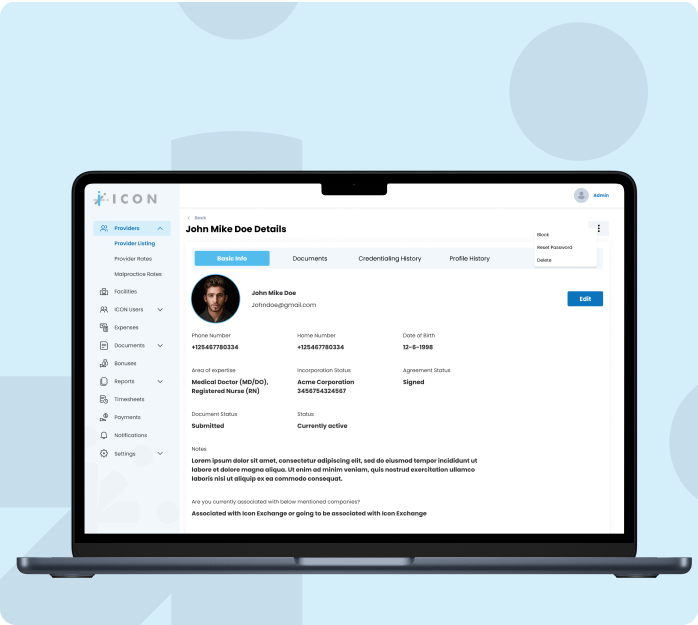
ICON Exchange, a healthcare staffing agency operating across the United States, faced inefficiencies stemming from manual workflows and decentralized data management. Their processes for recruitment, credentialing, scheduling, payroll, and billing relied on multiple systems and manual data processing, leading to redundancies, wasted resources, and limited operational scalability.
Solution:
ICON started by addressing their most pressing challenge—streamlining recruitment and credentialing processes. Partnering with Troon, they developed a custom-built web application tailored to these immediate needs. Over time, as the benefits of automation and data integration became clear, the system was expanded module by module to include scheduling, payroll, billing, and real-time reporting tools. AI was later integrated to automate tasks like managing PDF documents, further improving efficiency and scalability.
Outcome

Time Saved
Automation of routine processes significantly reduced administrative workload, freeing staff to focus on core tasks.

Cost Savings
Streamlined workflows and data consolidation reduced redundancies, saving time and operational expenses.

Productivity Gains
Enhanced visibility into KPIs and access to real-time analytics supported data-driven decision-making and improved operational efficiency.

Scalability
The adaptable system allowed ICON to expand operations without proportional increases in administrative overhead.
This example illustrates how strategic tech investments and tailored solutions can drive measurable improvements in efficiency, scalability, and profitability for growing businesses – one module at a time.
Read the full case study
Ready to Digitally Transform Your Business?

A digital technology roadmap is your blueprint for learning, evolving, and thriving in a constantly shifting landscape. Investing in such a plan is more than a decision. It’s a commitment to growth, resilience, and leadership in the digital age. The question is no longer if you need a digital transformation plan, but when. In today’s fast-paced world, the time to start is now!
Start Your Digital Optimization Journey
Troon’s Fractional CTO services and expert tech consulting provide the strategic guidance and tailored tech solutions SMBs need to thrive. From identifying your pain points to implementing the right technologies, we’ll partner with you to drive meaningful results.