



 November 21, 2023


Quick answer: In the dynamic realm of healthcare, remote patient monitoring (RPM) has emerged as a transformative approach to healthcare delivery. At the heart of a successful RPM strategy lies a robust monitoring platform, a technological linchpin that orchestrates the seamless collection, analysis, and interpretation of patient data. This article explores the pivotal role of monitoring platforms in driving the success of remote patient monitoring and ushering in a new era of patient-centered care.
In the dynamic realm of healthcare, remote patient monitoring (RPM) has emerged as a transformative approach to healthcare delivery. At the heart of a successful RPM strategy lies a robust monitoring platform, a technological linchpin that orchestrates the seamless collection, analysis, and interpretation of patient data. This article explores the pivotal role of monitoring platforms in driving the success of remote patient monitoring and ushering in a new era of patient-centered care.
A Holistic View of Patient Health:
Central to the efficacy of remote patient monitoring is the ability to gain a comprehensive and real-time understanding of a patient’s health. A monitoring platform serves as the nerve center, aggregating data from a myriad of sources, including wearable devices, health sensors, and patient input. This holistic view enables healthcare providers to track vital signs, medication adherence, and other critical metrics, fostering a deeper understanding of the patient’s health status.
Real-Time Monitoring and Timely Interventions:
One of the primary advantages of remote patient monitoring is the ability to monitor patients in real-time, transcending the constraints of traditional in-person visits. Monitoring platforms play a pivotal role in this by providing healthcare professionals with instantaneous updates on patient metrics. Automated alert systems integrated into these platforms empower healthcare providers to receive timely notifications of abnormal readings or potential issues, enabling them to intervene promptly and proactively manage patient care.
Efficient Data Analysis for Informed Decision-Making:
As the volume of patient-generated data continues to grow, the need for efficient data analysis becomes paramount. Monitoring platforms are equipped with sophisticated analytical tools that process and interpret data, extracting valuable insights into patient health trends. By identifying patterns, anomalies, and correlations, healthcare providers can make informed decisions, detect early signs of deterioration, and tailor treatment plans to individual patient needs.
Customizable Dashboards for Tailored Insights:
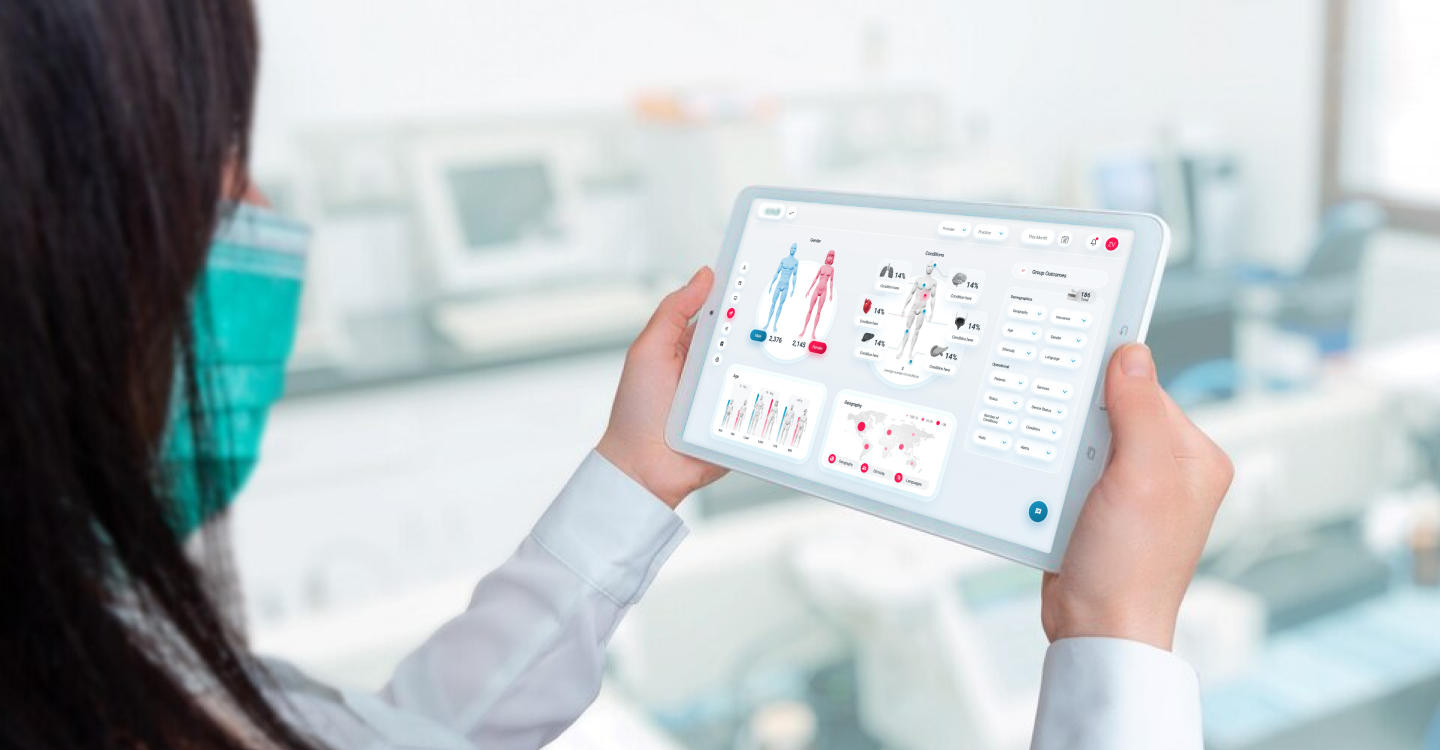
To cater to the diverse needs of healthcare professionals and their patients, monitoring platforms offer customizable dashboards. These dashboards empower healthcare providers to tailor the display of information based on specific health conditions or individual patient requirements. This customization enhances the user experience, facilitating quick access to pertinent information and ensuring that healthcare providers can focus on the most relevant aspects of patient care.
Integration with Electronic Health Records (EHRs):
Interoperability is a key facet of successful remote patient monitoring, and monitoring platforms seamlessly integrate with Electronic Health Records (EHRs). This integration ensures a continuous flow of information between the remote monitoring platform and existing healthcare infrastructure. As a result, healthcare providers have access to a patient’s complete medical history, promoting a holistic approach to care and enhancing the coordination of healthcare services.
Ensuring Security and Regulatory Compliance:
The sensitive nature of health data mandates secure storage and transmission. Monitoring platforms prioritize data security, adhering to healthcare data protection standards such as the Health Insurance Portability and Accountability Act (HIPAA). This commitment to security ensures that patient information is safeguarded against unauthorized access, instilling confidence in both healthcare providers and patients.
Scalability, Flexibility, and Future-Readiness:
In a rapidly evolving technological landscape, monitoring platforms are designed to scale with the growing volume of patient data and adapt to emerging technologies. Their flexibility allows for seamless integration with new monitoring devices and accommodates changes in healthcare technology. This future-readiness ensures that healthcare providers can stay ahead of the curve and continue to deliver state-of-the-art remote patient monitoring services.
Experience the Success: Check Out Our Case Study!
Delve deeper into the transformative impact of monitoring platforms in our recent case study. Witness firsthand how our tailored approach to remote patient monitoring has redefined patient care and driven positive health outcomes. Explore Our Case Study Now!
In conclusion, the success of remote patient monitoring is intricately tied to the capabilities of monitoring platforms. These platforms serve as the cornerstone of a patient-centered healthcare approach, providing healthcare professionals with the tools they need to deliver personalized, timely, and effective care. As the healthcare landscape continues to embrace digital transformation, monitoring platforms stand as the catalysts propelling the industry toward a future where remote patient monitoring is not just a strategy but a standard of care.